THE DISTRIBUTION BULLETIN ISSUE #55
By Peter Broderick and Keith Ochwat

Welcome back to Section 3 of our Dynamic Distribution crash course. (Here are links to Section 1 and Section 2). You will get the most out of the course if you read the Sections in order.
This Section presents four Breakthroughs. They are excellent examples of how films are using Dynamic Distribution strategies and tactics to succeed. They show how to:
- make the most of Pre-Distribution
- connect with core audiences
- build partnerships
- design a dynamic distribution strategy
- secure vital financial and in-kind support
Keith Ochwat of Show&Tell and I have created these mini-case studies to help filmmakers escape from the broken Old World of Passive Distribution. Each case study includes: the results achieved, a strategy breakdown, and takeaways. There is much to learn from these Breakthroughs. As you design your distribution strategy, consider new tactics that are working, serious mistakes to avoid, and ways to refine your strategy stage-by-stage.
==============================================================
DYNAMIC DISTRIBUTION #3
BREAKTHROUGHS
Rescued Hearts
Pre-Distribution fundraising supercharges support and awareness and reveals core audiences.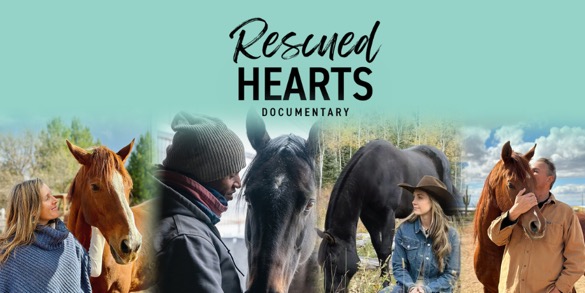
The Film: a feature doc about the unique and powerful bond between humans and horses
The Results: the film team raised over $260,000 before rough cut and that number has grown since finishing their film. How? Donors. Lots of donors. Many donations were just $5. A handful were over $25,000, including one $50,000 donation. Every single donor came from the film’s core audiences, which were identified, tested, and confirmed, starting when production began.
Strategy Breakdown: their success underscores the power of Pre-Distribution – for audience identification, audience building, and targeted fundraising. During production, they hosted a series of virtual sneak preview events showing work-in-progress footage. This helped them confirm their most excited fans, build a large email list, and develop a significant social media following. They prioritized raising donations from fans instead of applying for traditional film grants, which is time consuming and often fruitless. Their fan focus paid off handsomely.
Takeaways from their Success:
- The earlier you start identifying and engaging your core audiences, the better.
- Leverage Pre-Distribution fundraising to gain early financial stability, reducing dependence on grants and uncertain funding sources.
- Targeted fundraising is more effective than traditional fundraising. Rather than competing against other filmmakers for a limited and diminishing number of grants, targeted fundraising focuses on seeking financial support within a film’s core audience that cares deeply about your film’s message.
All the Lonely People
Audience engagement during Pre-Distribution leads to effective targeted fundraising.

The Film: the story of how people can overcome crippling social isolation and loneliness.
The Results: the film team raised about $250,000 in partnerships, speaking events, and community events. They raised much of this during production, when they also secured many of their most productive distribution partnerships.
Strategic Lessons: Midway through production, the nimble film team turned an ordinary invitation into a golden opportunity. When they were invited to show their film at a conference, they explained they were far from finished. Unfazed, the conference organizer asked them to make a presentation with some clips and a Q&A. The presentation was a hit, and the team received a sizable fee. This inspired them to refine the presentation, which included six clips from their work-in-progress film. They booked 14 hour-long virtual events (many for AARP state chapters), averaging fees of $4,500. Not only did this strategy pay off for this film, the networking and awareness building also helped them secure over $1 million for their next project.
Takeaways from their Success:
- Partners are interested in using clips, not just your full film, at conferences, special events and classrooms. Short clips can be used in many situations that can’t accommodate films that are 60 minutes or longer.
- Sharing clips can open doors for your film’s release. Clips can be used to start relationships that will grow as you complete your film. They can also be used to secure funding.
- Conferences are a key way to network with potential partners, funders, and event hosts.
ASD BAND: The Movie
Connect with audiences early and often. Untested assumptions about your audiences can lead you astray.
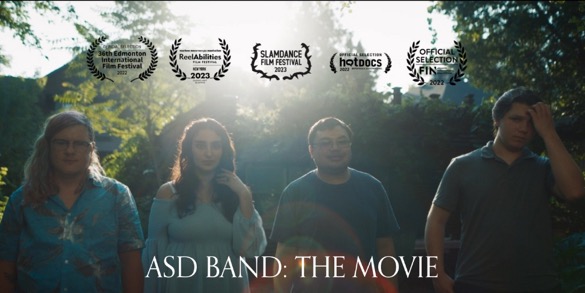
The Film: The story of a group of talented musicians who are all on the autism spectrum. (ASD is Autism Spectrum Disorder)
The Results: raised nearly $100,000 from one very specific niche within the autism treatment space - ABA therapy. This audience was overlooked for more than a year following the film's festival premiere - a missed opportunity.
Strategic Lessons: After you've tested audiences and determined where you have the most responsive following, identify companies, nonprofits, educators, and conferences that align with these audiences. These organizations can become your partners, your PBS underwriters, your event hosts, and your promotional allies. The film team spent a year screening at over 30 film festivals and launching a large and involved impact campaign targeting untested audiences with disappointing results. Then they finally identified a passionate core audience. Don't assume that just because your film was a success on the festival circuit, you'll have an adoring audience waiting for you after festivals are over.
Takeaways from their Success:
- Clarify your target audiences early. Attend key conferences and engage with organizations aligned with your audience’s interests.
- Test multiple audience hypotheses. Be prepared to pivot based on real responses. The film team assumed autism groups and health organizations would be their best audiences so they made a major effort to reach them. They were sorely disappointed. When they pivoted to therapists and therapy companies, they were able to forge sponsorships and secure event hosts.
- Once you have found an audience, dive deep into the ecosystem of companies, nonprofits, advocacy groups, philanthropies, and others in that space. These are your people!
Skydiving Over Sixty
Clarifying your film’s audiences can attract six figure partners.

The Film: a team of skydivers between the ages of 60 and 92 attempt to break a world record.
The Results: the film team generated about $250,000 from partnerships, PBS sponsorships, virtual events, and in-person events, including a high-profile skydive event with characters from the film. The team was able to identify a handful of partners. The main partner ended up contributing nearly $200,000 in sponsorship for the PBS broadcast plus a live event featuring a skydive with characters from the film.
Strategic Lessons: the film team understood their core audiences were professionals, companies, and organizations focused on the theme of encouraging seniors to stay fit and engaged. The team identified the top senior sporting events in the country and researched their sponsors. They reached out to a hearing aid company that sponsored a series of Pickleball tournaments. A few months later the company became a PBS sponsor, promoted the film to their massive email list, and hired characters from the film to do a skydive at the USA Pickleball Nationals.
Takeaways from their Success:
- Identify specific partners in your core audience such as corporate partners, media outlets, and event organizers, and suggest ways to work together.
- Emphasize how your film's message aligns with the work a potential partner is already doing. Partnerships are born when your film complements priorities they already have in place.
- Grow your partnership. The Skydiving Over 60 team initially brought the hearing aid company onboard to be a PBS sponsor. After learning that the company sponsors Pickleball tournaments, the film team asked if they would like to sponsor a special screening and skydive with characters from the film. The company agreed, which led to additional revenue and a deepening relationship.
==============================================================
Keith and I will follow up soon with four more Breakthroughs in Section 4.
Here are links to Section 1 and Section 2.
© 2025 Peter Broderick